Consignment Agreement for Fashion and Jewellery Brands: Template Clauses, Commission Splits and How to Protect Your Stock in UAE Boutiques
Short answer
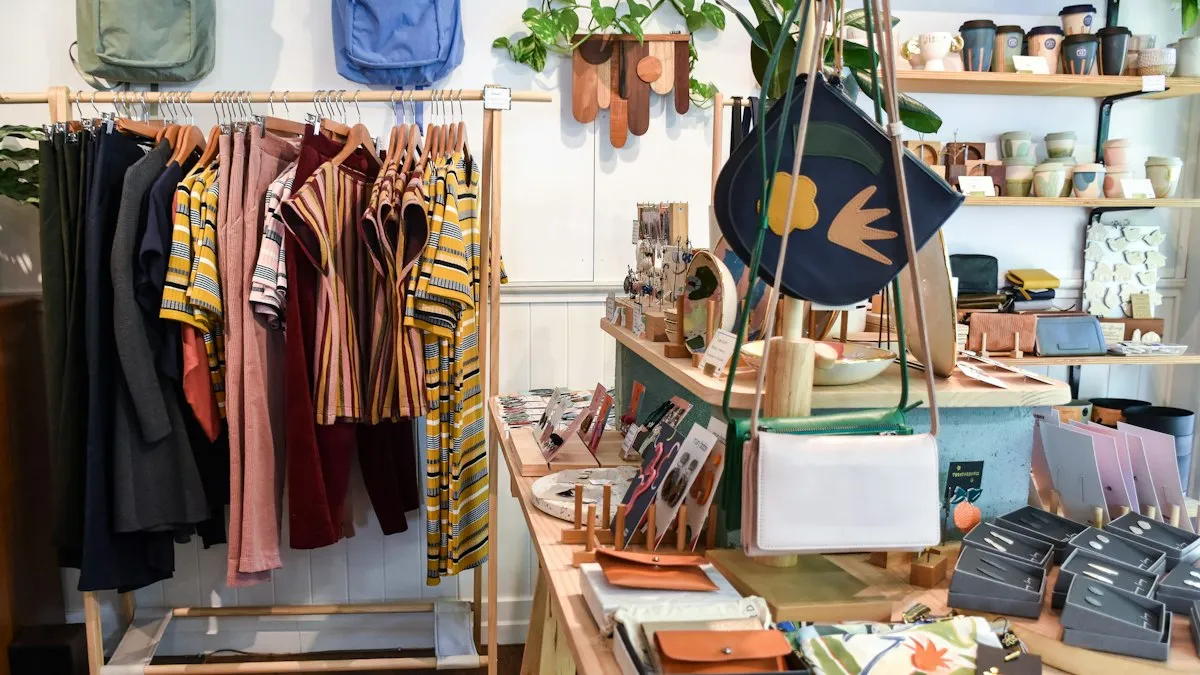
A consignment agreement lets a boutique or concept store display and sell your products without buying them upfront: you keep ownership of the stock, the store sells it, and you are paid an agreed share after each sale. It is a common way for new fashion, jewellery, bag and beauty brands to get into UAE stores, but it shifts risk to the brand: unsold stock, damage, slow payments and poor display all cost you. A good agreement sets the commission split, retail price control, payment timing, reporting, insurance and damage responsibility, display standards, duration and how stock is returned. Then you still need marketing that drives buyers to that store. Husbar markets fashion and luxury brands across the UAE and Saudi Arabia.
Key takeaways
- ✓Consignment means you own the stock until it sells.
- ✓The agreement must cover commission, pricing, payment, reporting, damage and returns.
- ✓Sell-through depends on display, staff knowledge and your own marketing.
- ✓Treat consignment as a trial that should lead to wholesale orders.
Consignment vs wholesale vs concession
| Model | Who owns the stock | Who carries the risk | Best for |
|---|---|---|---|
| Consignment | Brand until sold | Brand (unsold stock, damage) | New brands proving demand in a store |
| Wholesale | Store after purchase | Store (unsold stock) | Brands with proven sell-through |
| Concession or shop-in-shop | Brand | Brand pays rent or commission, controls space | Established brands wanting control |
| Pop-up | Brand | Brand pays fee | Launches, seasonal moments, testing |
| Online marketplace consignment | Brand until sold | Brand | Reaching a curated online audience |
What makes consignment work (or fail)
Commission and price control
Stores usually take a percentage of the retail price as commission. Agree the retail price in writing and whether the store may discount. A store that discounts without permission damages your positioning across every channel.
Visibility inside the store
Consignment stock often ends up on a back shelf because the store has no money tied up in it. Agree where and how your products are displayed, and ask for photos when stock is placed and each month.
Staff knowledge
Shoppers in boutiques ask questions. If staff cannot tell your brand story, explain materials or sizing, your products will not sell. Offer a short training session and a one-page brand card.
Reporting and payment
Monthly sales reports and payment within an agreed number of days after month end keep cash flowing. Without them, brands discover months later that stock is missing or sold without payment.
How to set up a consignment deal step by step
- Shortlist stores whose customers match your price point and style, and visit them as a shopper first.
- Prepare a one-page pitch: brand story, best sellers, retail prices, imagery and your marketing plan for the store.
- Agree commission, retail prices, discount rules, payment terms and reporting.
- Agree display, staff training and the minimum period before review.
- Create a stock delivery note listing every item with code, size, colour and retail price; get it signed.
- Photograph stock and display at delivery.
- Promote the store on your Instagram, TikTok and WhatsApp audience with the store tagged.
- Review sales monthly; restock winners and swap slow items.
- After a set period, propose moving best sellers to wholesale.
Want this applied to your brand?
We will find the psychology behind your lost sales and show you what to fix first.
Book a Growth AuditThe treasure: consignment agreement clause checklist (copy, adapt and have a lawyer review)
- Parties and products: brand (consignor), store (consignee), products listed on signed delivery notes.
- Ownership: "All products remain the property of the Consignor until sold to a customer and paid for."
- Retail price: "Products will be sold at the retail prices on the delivery note. Discounts require the Consignor's written approval."
- Commission: "The Consignee will retain [X]% of the net retail price of each product sold. The balance is payable to the Consignor."
- Payment and reporting: "By the [5th] working day of each month, the Consignee will send a sales report by item and pay the amount due within [X] days."
- Display: "Products will be displayed in the agreed area, presented to the standard shown in the brand guidelines."
- Care, loss and damage: "The Consignee is responsible for loss, theft or damage while products are in its care, and will maintain suitable insurance."
- Stock checks: "The Consignor may count stock on reasonable notice."
- Term and exit: "The agreement runs for [X] months. Either party may end it with [X] days' notice. Unsold products will be returned in saleable condition within [X] days."
- Marketing and brand use: how each side may use the other's name, logo and images.
- Returns from customers: who handles exchanges and refunds, and how they are reported.
- Governing law and disputes: to be confirmed with a UAE lawyer.
A worked example
Picture a Dubai handbag brand selling online that wanted retail exposure. It agreed consignment deals with two concept stores, with retail prices fixed, monthly reports and payment within an agreed period after month end. The brand trained store staff with a short session and a brand card, photographed the display at delivery and sent its Instagram followers to the stores with a styling event. One store sold steadily and moved to a wholesale order; the other displayed the bags poorly, so the brand used the exit clause and moved the stock to a better-matched boutique.
Want Husbar to do this for you?
Husbar can find the right boutiques and concept stores for your brand, prepare the pitch, plan store events and drive buyers to every stockist. Book a free Growth Audit or a free Google Meet consultation on our contact page.
Making consignment stock sell
The brands that sell well on consignment treat each store as a campaign: they announce the stockist to their audience, host a styling evening or trunk show, share content of the display, create a store-only piece or colour, and check in with staff every few weeks. The store sees you as a partner who brings customers, not just stock that sits on a shelf.
Tracking every store
Keep a simple tracker per store: items placed, items sold, sell-through by item, payment received, days to payment, damage or loss and staff feedback. After three months you will know which stores deserve more stock, which should move to wholesale and which you should leave.
Consignment in Saudi Arabia
Brands expanding into Riyadh and Jeddah often start the same way, with concept stores and pop-ups. Check commercial registration and import requirements, adapt imagery and messaging for the Saudi customer and agree delivery and reporting terms that work across borders before you send stock.
How Husbar helps
Husbar markets fashion, bag, jewellery and beauty brands: retail positioning, boutique and concept store pitches, store events, content, paid social and the online demand that makes stock sell wherever it is placed. Our fashion and luxury marketing team can take this on end to end, or support your team. book a free Growth Audit.
Questions to ask before you start
- Do this store's customers buy at our price point?
- Who in the store will sell our products, and do they know our story?
- How quickly will we be paid?
- What happens if stock is damaged or missing?
- What would make this move from consignment to wholesale?
Key terms
- Consignment: placing stock in a store that pays you only after it sells.
- Consignor: the brand that owns the stock.
- Consignee: the store holding and selling the stock.
- Sell-through: the share of stock sold in a period.
- Delivery note: the signed record of stock placed.
Mistakes to avoid
- No written agreement.
- No control over discounting.
- Placing stock without photos or signed delivery notes.
- Never visiting the store after delivery.
- Expecting the store to do all the marketing.
Why fashion brands win on identity, not discounts
Shoppers rarely buy fashion because they need another item. They buy because a piece says something about who they are or want to be. Boutiques and brands that build a clear identity, show real styling and treat customers personally earn loyalty that discounts never buy.
Related reading: how to get your fashion brand into boutiques, fashion brand stockists and concept stores in Dubai, fashion wholesale terms explained and how to host a trunk show.
What is a consignment agreement in fashion?+
It is a contract where a store sells a brand's products without buying them first, and pays the brand an agreed share after each sale.
What commission do boutiques take on consignment?+
It varies by store, location and category. Ask each store for its terms, compare them with wholesale margins and agree the split in writing.
Who is responsible if consigned stock is stolen or damaged?+
Whatever the agreement says. Brands should ask for the store to be responsible while stock is in its care, supported by insurance.
Is consignment a good idea for new brands?+
It can be, as a low-barrier way to test a store. Limit the stock you place, agree a review date and aim to move winners to wholesale.
Do I need a lawyer for a consignment agreement?+
It is wise to have a UAE lawyer review the agreement, especially for ownership, liability and dispute clauses.
Does Husbar work with fashion boutiques and brands in the UAE?+
Yes. Husbar's fashion and luxury marketing service covers brand positioning, content, Instagram and TikTok, paid ads, e-commerce and retail partnerships.
Can Husbar help a boutique sell online?+
Yes. We build and run online sales for boutiques, from product content and ads to WhatsApp ordering and email flows.
Sources
- [Shopify Encyclopedia: what consignment means](https://www.shopify.com/encyclopedia/consignment)
- [Lawpath: how consignment agreements work](https://lawpath.com.au/blog/how-do-consignment-agreements-work)
- [Techpacker: how to create a fashion line sheet and tech pack resources](https://techpacker.com/blog/design/how-to-create-a-fashion-line-sheet/)
- [WIPO: trademarks explained](https://www.wipo.int/trademarks/en/)
- [The National: UAE advertiser permit for social media users](https://www.thenationalnews.com/news/uae/2025/07/30/uae-social-media-advertiser-permit/)
Team Husbar
Husbar Editorial
Team Husbar is the strategy, psychology and research team at Husbar, a psychology-led growth agency headquartered in Dubai. Together we have worked with 100+ brands over 10+ years.
Want this applied to your brand?
We will find the psychology behind your lost sales and show you what to fix first.
Book a Growth AuditKeep reading

Fashion Marketing
How to Run a VIP Private Sale for a Luxury or Fashion Boutique: Invitation Templates, Guest Tiers and Follow-Up
Fashion Marketing
Fashion Marketing Agency in Dubai: What They Do and How to Choose

Fashion Marketing
Clienteling for Luxury Boutiques in the UAE: How to Turn One-Time Buyers Into Loyal Clients