Retail marketing, powered by neuromarketing

Grab a cart. See how shoppers really choose.

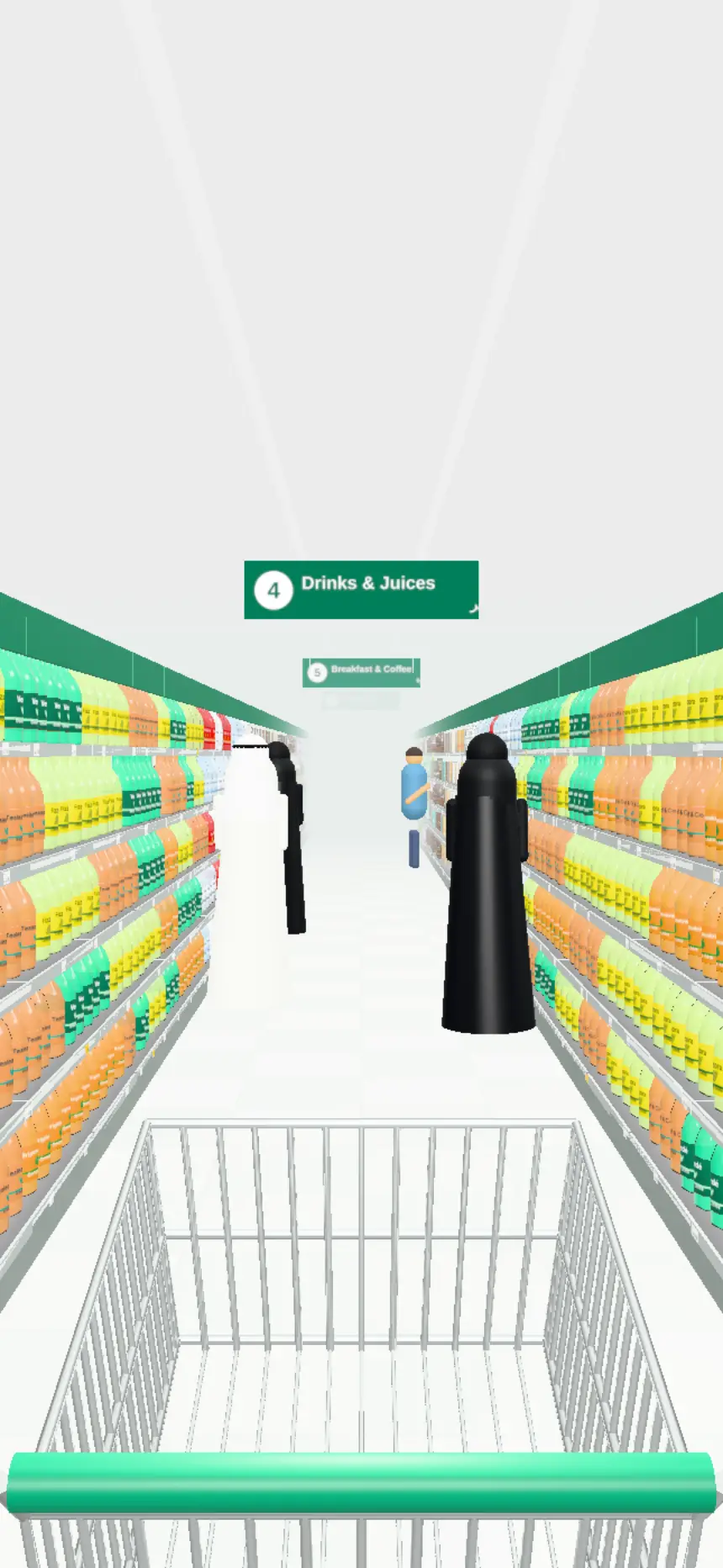
Walk this aisle as a shopper. At nine products, the brain decides before you notice. For each one we show the psychology at work and the retail move a brand makes to win that shelf. Then it goes in your cart.

Scroll to start shopping ↓

Checkout

Nine products. Nine retail lessons.

Every shelf is designed. We help brands win it: we take online-only products into stores, find distributors, pitch retail buyers and run the in-store marketing that gets your product picked.

Retail marketing service

Selling online only? We get you on the shelf.

Getting into stores is not just a sales meeting. Your product needs the right price, labels and paperwork, a distributor and supply chain that can deliver, a retail buyer who says yes, and marketing that makes shoppers pick it once it lands. We handle the whole route, with the shopper psychology you just walked through built into every step.

01

Retail readiness

Pricing that survives retailer and distributor margins, GS1 barcodes, Arabic and English labels, product registration where it is required (for example with Dubai Municipality for many consumer products) and shelf-ready packaging.

02

Distributors and supply chain

We shortlist and pitch distributors, wholesalers and warehousing partners who can import, store, deliver and merchandise your stock, so it actually reaches the shelf.

03

Retail buyer pitch and listing

Sell-in deck, samples, pricing proposal and listing terms for supermarkets, pharmacies, department stores, concept stores and online marketplaces.

04

Shopper and trade marketing

Planograms, shelf talkers, gondola ends, point-of-sale displays, in-store promotions, sampling and promoters, plus retail media on retailer apps and sites.

05

Launch campaign

Social, creators and local ads that send shoppers to the shelf, with "find us in store" messaging so online fans become store buyers.

06

Sell-out and shelf checks

We track sales, stock and shelf position, run store visits and fix what is not moving before the retailer reviews your range.

From online to on-shelf, in five steps

  1. Step 1

    Ready

    Pricing, barcodes, labels, registration and packaging.

  2. Step 2

    Route

    The right distributor, warehouse and delivery set-up.

  3. Step 3

    Sell in

    Pitch retail buyers and agree listing terms.

  4. Step 4

    Launch

    In-store and online activity that drives the first sales.

  5. Step 5

    Grow

    Track sell-out, win better shelf space, add stores.

Retailers and distributors make their own listing decisions and set their own terms, so we never promise a listing. Need packaging or production? Our China Line sources and inspects it. In-store launches, sampling and displays run with our event management team.

The science behind every shelf

Nine principles you just walked past, the research behind them and the retail move for each.

01 · Shelf position and facings

Eye level is not buy level

On the shelf: Six bottles of Verdé green juice side by side on the eye-level shelf: more facings than any other brand around them.

In the brain: Eye-tracking research by Chandon and colleagues found middle shelves win more glances, but extra attention did not automatically mean more choice. More facings (copies of the product side by side) lifted both attention and consideration, especially for smaller brands.

Retail move: Negotiate shelf position and facings with each retailer. Aim for eye level at launch, and make sure the pack sells once it is seen.

Beyond the store: We plan where attention goes first, then make sure the product, ad or page gives a reason to choose once it has been seen. Attention is the ticket in, not the sale.

02 · Von Restorff (isolation) effect

The one that breaks the pattern

On the shelf: Seven white milk bottles and one red pomegranate juice. Your eyes found the red one before you read this.

In the brain: When one item differs from those around it, people notice and remember it more. Psychologist Hedwig von Restorff described this in 1933, and it has been replicated many times since.

Retail move: Design packs that break the colour code of your category, and test them on a real shelf photo before printing.

Beyond the store: On packaging, ads and pricing pages we make the one thing we want remembered visually different from everything around it: the recommended plan, the key benefit, the call to action.

03 · Charm pricing and the left-digit effect

Why 9.99 feels much less than 10

On the shelf: AED 9.99 on the tag. One fil less than 10, but it does not feel that way.

In the brain: People read prices from left to right and give the first digit extra weight. Thomas and Morwitz showed that a 9-ending price that changes the left digit is judged noticeably cheaper than the round price just above it.

Retail move: Set the shelf price after the retailer and distributor margins, then pick the price ending that fits your brand.

Beyond the store: We use charm prices for value products and round prices for premium ones, because a round number can signal quality. The right ending depends on the brand, so we test it.

04 · Decoy (asymmetric dominance) effect

The option nobody buys

On the shelf: Small AED 8, medium AED 14, large AED 15. The medium exists to make the large look like a bargain.

In the brain: Adding an option that is clearly worse than one choice (but not the others) shifts people towards that choice. Huber, Payne and Puto first showed this in 1982; the size of the effect varies between studies.

Retail move: Choose the sizes you list so the one you most want to sell looks like the obvious best deal.

Beyond the store: We design price tiers so the option that is best for the customer, and the business, is easy to see as the smart pick. No hidden tricks, just clearer comparisons.

05 · Anchoring

The first number wins

On the shelf: Was AED 49, now AED 29. The 49 does the selling.

In the brain: The first number people see becomes a reference point for judging the next one, even when it should not. Tversky and Kahneman described anchoring in 1974, and it shows up in pricing again and again.

Retail move: Put a premium version or an honest reference price beside your hero product so its price feels fair.

Beyond the store: We put the most valuable package or the full value first so everything after it is judged against it. Anchors must be real: fake "was" prices damage trust and can break consumer protection rules.

06 · Scarcity

Three left on the shelf

On the shelf: An almost empty shelf. Only three left, so they must be good.

In the brain: In a classic study, people rated cookies from a nearly empty jar as more desirable than identical cookies from a full one. Scarcity signals popularity and creates a fear of missing out.

Retail move: Seasonal and limited packs, such as Ramadan or summer editions, give buyers and shoppers a real reason to act now.

Beyond the store: We use real limits, such as event seats, launch stock and deadlines, and say them clearly. Invented countdowns are easy to spot and destroy trust.

07 · Social proof

Everyone else picked this one

On the shelf: A yellow "Bestseller ★ 4.8" wobbler on the crisps. When we are unsure, we copy other people.

In the brain: People look to what others do, especially others like them. In a hotel study, telling guests that most previous guests in their room reused towels raised reuse more than an environmental message did.

Retail move: Shelf talkers with real ratings, "best seller" tags you can prove, and in-store sampling build trust at the shelf.

Beyond the store: We show real reviews, ratings, client logos and usage numbers close to the decision point, with permission and without exaggeration.

08 · Choice overload

Twenty-four jams, zero sales

On the shelf: A wall of 24 flavours next to a neat set of six.

In the brain: In the famous jam study, a display of 24 jams attracted more shoppers, but a display of 6 led to far more purchases. Later meta-analyses found the effect is real in some situations and absent in others, so it depends on context.

Retail move: Launch with a focused range. Too many variants split your shelf space and slow every one of them down.

Beyond the store: We simplify choices where people feel overwhelmed: fewer packages, a clear recommended option, and filters or quizzes when range is part of the appeal.

09 · Sensory marketing

You can almost feel how cold it is

On the shelf: Frost and droplets on a can behind the chiller glass. Your mouth may have reacted before your mind did.

In the brain: Sight, touch, sound, smell and taste all shape how products are judged, often without people noticing. Research reviewed by Aradhna Krishna shows sensory cues change perceptions of taste, quality and value.

Retail move: Chiller placement, sampling, demos and textured packs let shoppers feel the product before they buy it.

Beyond the store: We build sensory cues into visuals and copy: textures, sounds in video, words that evoke taste and touch, and packaging that feels right in the hand.
Psychology, not tricks

Neuromarketing in retail: what it is, and what it is not.

Neuromarketing applies findings from brain science and consumer psychology to how people notice, judge and choose. Most of it does not need a brain scanner: decades of experiments already show how attention, prices, options and other people shape decisions.

Some of these effects are strong and well replicated, like anchoring and social proof. Others, like choice overload and the decoy effect, change with context. That is why we treat every principle as a hypothesis and test it with your real customers before rolling it out.

And we keep it honest. Real prices, real limits, real reviews. Fake countdowns and invented “was” prices win a click and lose a customer, and they can break consumer protection rules. Read more on neuromarketing vs consumer psychology and psychology-led marketing.

All brands in the store are invented for this demonstration.

Questions

Retail marketing and neuromarketing FAQs

What is retail marketing?+

Retail marketing is everything that gets a product into stores and then off the shelf: pricing, packaging, distribution, retailer listings, shelf position, in-store promotions, displays and the campaigns that send shoppers to the store.

I only sell online. Can you get my product into stores?+

Yes, that is the core of our retail marketing service. We make your product retail-ready, find distributors and supply chain partners, pitch retail buyers and support the launch in store. Retailers make the final listing decision, so we never promise a listing, but we make your case as strong as possible.

Do supermarkets charge to list a product?+

Often, yes. Many retailers and distributors ask for listing, promotional or marketing contributions, and terms vary by chain and category. We help you understand and budget for them before you sign anything.

Do I need a distributor?+

Usually. Many large retailers prefer to buy through distributors who handle import, warehousing, delivery and merchandising. Some stores and marketplaces buy direct. We help you choose the route that fits your volume and margins.

What do I need before pitching a retailer?+

A clear price with room for retailer and distributor margins, barcodes, compliant labels, any required product registration, the capacity to supply consistently, and a marketing plan that shows how you will bring shoppers to the shelf.

What is neuromarketing?+

Neuromarketing uses findings from brain science and psychology to understand how people notice, judge and choose products. In practice most businesses apply consumer psychology research rather than running brain scans.

Is neuromarketing manipulative?+

It can be misused. We use it to make honest offers clearer and easier to choose, with real prices, real limits and real reviews. Fake scarcity or invented "was" prices damage trust and can break consumer protection rules.

Do these effects always work?+

No. Effects like choice overload and the decoy effect vary between studies and markets. That is why we test ideas with real customers before rolling them out.

How does Husbar use neuromarketing?+

We apply consumer psychology to strategy, ads, landing pages, pricing, packaging and sales follow-up, then measure what changes in clicks, leads and sales.

Can small businesses use neuromarketing?+

Yes. Most principles cost nothing to apply: clearer price tiers, honest social proof, a standout call to action and simpler choices.

More on the principles in this store: consumer psychology principles, psychological pricing examples, scarcity marketing and social proof examples.

Ready to take your brand from online to on-shelf?
Start with a free Growth Audit.

We check your retail readiness, pricing, packaging and marketing through a shopper psychology lens, and give you a clear plan for getting into stores and selling once you are there.

Or email team@husbar.com