Interior Design Concept Presentation Template: How to Present Your Design So Clients Say Yes (UAE Firms)
Short answer
A winning interior design concept presentation tells a story in a fixed order: you repeat the client's brief and goals in their own words, show how you understood their life or business, present one clear concept with a name, walk through the mood board, layout, key views, materials and lighting, show the budget range and timeline honestly, handle likely objections before the client raises them, and close with one clear decision and next step. Limit the options, rehearse the walkthrough, and send a short follow-up summary the same day. Husbar's architecture and design marketing team helps firms build presentations, proposals and follow-up systems that win more projects.
Key takeaways
- ✓Start by repeating the brief so the client feels understood.
- ✓Present one strong concept with a name, not five loose options.
- ✓Show budget and timeline honestly before the client asks.
- ✓End with one clear decision and a written summary the same day.
The slide-by-slide structure
| Slide or section | Purpose | What to show |
|---|---|---|
| 1. Cover | Set the tone | Project name, concept name, client name, date |
| 2. What we heard | Prove you listened | Brief, goals, must-haves, constraints in client words |
| 3. The concept | Give the idea a story | Concept name, one-sentence idea, hero image |
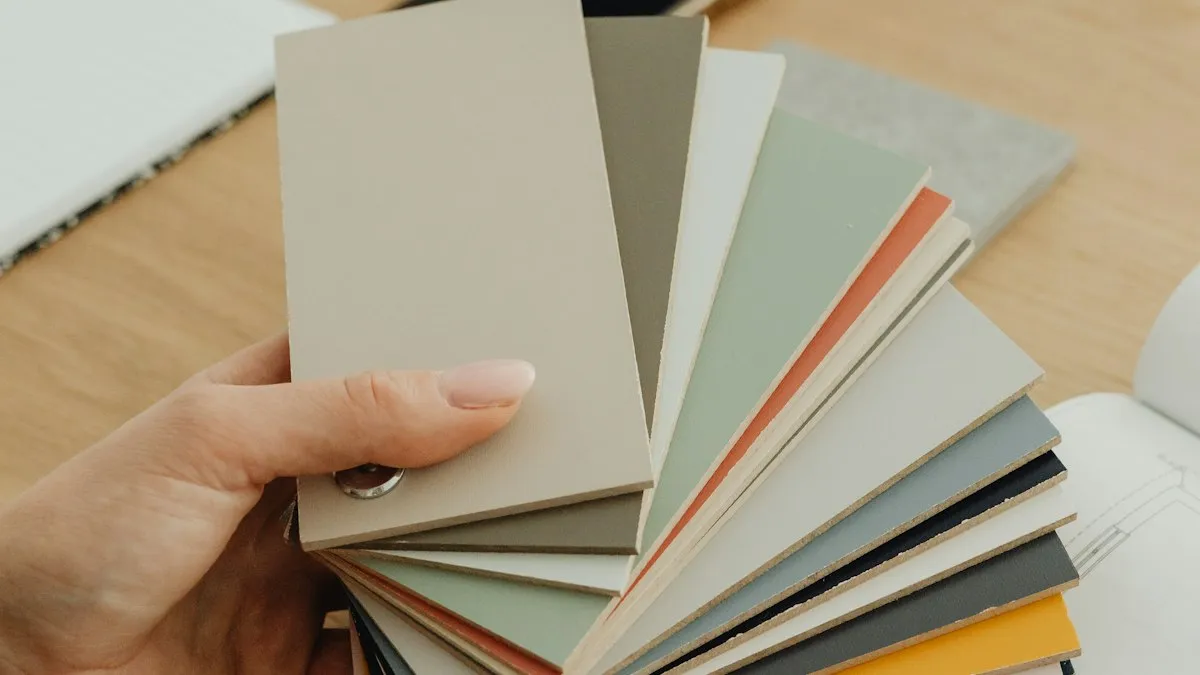
| 4. Mood and materials | Make it feel real | Mood board, material palette, samples |
| 5. Layout and flow | Show how life or work happens | Plan with movement, zones and key furniture |
| 6. Key views | Help them imagine | 3D views or sketches of the main spaces |
| 7. Budget and timeline | Remove fear | Budget range by area, phases, long-lead items |
| 8. Decisions and next step | Get the yes | What to approve today, what happens next, dates |
Why good designs still lose
The client cannot picture it
Designers think in plans and samples; most clients do not. Without views, a clear story and a walk through the space, the client nods politely and then delays. Visual tools, from sketches to 3D renders, help clients imagine the result, which is why our guide to property renders and CGI matters even for private residences.
Too many options
Showing five concepts feels generous but often creates doubt. Research on choice overload shows that too many choices can make decisions harder. One strong concept with two or three controlled variations, such as a light and a darker material palette, keeps the client focused.
Budget arrives as a shock
When the budget appears at the end, or only in a separate quotation, clients feel ambushed. Showing a budget range by area inside the presentation, with what drives the cost, lets them react early and gives you room to adjust specifications instead of losing the project.
No clear decision
Many presentations end with 'let us know your thoughts'. That invites silence. End with a specific decision: approve the concept and layout so you can move to detailed design, with dates.
How to prepare and deliver the presentation
- Re-read the brief, questionnaire and site notes and write the client goals in their own words.
- Name the concept with two or three words the client will remember.
- Build the deck in the eight-section order and keep each slide to one idea.
- Prepare physical samples for the main materials and bring them to the meeting.
- Price the concept as a range by area before the meeting.
- List the three objections you expect (cost, timeline, a family member's taste) and prepare answers.
- Rehearse the walkthrough out loud, as if you are walking the client through the space.
- Present in person or on video with screen share; never just email the deck.
- Ask for one decision at the end and agree the next date.
- Send a short summary email or WhatsApp the same day with decisions, changes and next steps.
Want this applied to your brand?
We will find the psychology behind your lost sales and show you what to fix first.
Book a Growth AuditThe treasure: the concept presentation script, word for word (copy and adapt)
- OPEN: "Thank you for your time. Today we will show you one concept for your [villa/office/restaurant], how it works day to day, what it costs and what we need from you to move forward. It will take about 40 minutes and we will leave time for questions."
- WHAT WE HEARD: "Here is what you told us: [goal 1], [goal 2], [must-have]. You also said you did not want [dislike]. Did we capture that correctly?" (Wait for a yes and adjust if needed.)
- CONCEPT: "We call this concept [name]. The idea is simple: [one sentence]. Everything you will see comes from that idea."
- MOOD: "This board shows how the space should feel. Touch these samples: this stone is for the kitchen island, this timber for the joinery."
- LAYOUT: "Let us walk in through the front door. You arrive here, the light comes from here, guests move this way, the family uses this zone."
- VIEWS: "Here is the living room from the sofa, the view you will see every evening."
- BUDGET: "For this concept, the investment for the main areas is in this range. The biggest drivers are [joinery, stone, lighting]. If you want to adjust, these are the places with the most flexibility."
- TIMELINE: "If you approve the concept by [date], detailed design takes [x] weeks, and long-lead items like [item] need ordering by [date]."
- OBJECTION, COST: "That is a fair concern. Would you rather keep the concept and adjust specification in these two areas, or simplify the scope? Both keep the design intact."
- OBJECTION, PARTNER NOT PRESENT: "Would it help if we booked 20 minutes with [partner] this week so they can see the walkthrough too?"
- CLOSE: "The decision we need today is approval of the concept and layout, so we can start detailed design on [date]. Are you comfortable with that, or is there something you would like changed first?"
- SAME-DAY FOLLOW-UP: "Thank you for today. Summary: concept [name] approved with these changes: [list]. Next step: [action] by [date]. Budget range and timeline attached."
A worked example
Imagine a Dubai interior design studio pitching a villa renovation. In earlier pitches it showed three concepts and sent the quotation separately, and clients often went quiet. For this pitch the team repeated the brief on slide two, presented one concept called 'Desert Light' with a lighter and darker palette option, brought stone and timber samples, walked the clients through the ground floor using 3D views, showed a budget range by area and named the three biggest cost drivers. When the clients worried about cost, the team offered to keep the concept and adjust the joinery specification. The meeting ended with a clear request to approve the concept and layout, and a summary went out that evening. This is an illustration of the method, not a reported result.
Want Husbar to do this for you?
Husbar can build your presentation system for you: a branded concept deck template, proposal and budget pages, case studies that support the pitch, and an automated follow-up sequence after every meeting, through our architecture and design marketing service. Use the free 60-second website audit, or book a free Growth Audit on Google Meet and we will review a recent pitch with you.
Commercial and hospitality pitches
For offices, restaurants and retail fit-outs, the client also needs to see business outcomes: how the layout supports staff flow, seating capacity, brand experience, operating hours and maintenance. Add one slide on how the design supports their business goals, and one on how you will manage approvals and site works. Commercial clients often compare several firms, so a clear structure and confident budget section helps you stand out.
Turning the presentation into marketing content
With the client's permission, the concept story, mood board and final photos make strong portfolio and social content later. Keep a folder for every project with the concept name, the brief in a sentence, before photos and approved renders. When the project completes, you already have most of a case study.
Use AI to prepare faster, not to design
AI tools can help summarise a long brief, draft the 'what we heard' slide, organise meeting notes into a summary and prepare objection answers. Keep the design judgement human, but let automation remove the admin so your team spends more time on the ideas that win the project.
How Husbar helps
Husbar's architecture and design marketing team helps interior design, fit-out and architecture firms win more projects: presentation and proposal templates, portfolio and case study content, websites that attract better clients, and follow-up systems after every pitch. Our architecture and design marketing team can take this on end to end, or support your team. book a free Growth Audit.
Questions to ask before you start
- Do we repeat the client brief before showing any design?
- How many options do we usually show, and does it help or confuse?
- When does the client first see a budget figure?
- What exact decision do we ask for at the end?
- Who sends the same-day summary?
Key terms
- Concept design: the early stage where the overall idea, layout and look are agreed.
- Mood board: a collage of images, colours and materials showing the feel of a space.
- Material palette: the selected finishes and samples for a project.
- Long-lead item: something that takes a long time to make or ship, so it must be ordered early.
- Design freeze: the point after which changes cost time and money.
Mistakes to avoid
- Emailing the deck instead of presenting it.
- Showing too many concepts.
- Hiding the budget until the end.
- Using design jargon the client does not understand.
- Ending without a specific decision and date.
Why design businesses need marketing that shows the work
Clients buy design and outdoor projects with their eyes first and their budget second. A portfolio that is easy to find, project stories with clear before and after, and a fast reply to every enquiry win more projects than discounts ever will.
Related reading: interior designer client questionnaire, interior design scope of work template, what to do when a client goes quiet after the quote and how interior designers get clients.
How long should an interior design concept presentation be?+
Around 30 to 45 minutes of presenting plus time for questions works for most residential and commercial projects. Keep each slide to one idea.
How many design options should I show a client?+
One clear concept with two or three controlled variations usually works better than several unrelated concepts, which can make decisions harder.
Should I show the budget in the concept presentation?+
Yes, as a range by area with the main cost drivers. It avoids shocks later and lets you adjust specifications instead of losing the project.
Should I present in person or send the presentation?+
Present it, in person or on a video call with screen share, so you can tell the story and handle questions. Send a summary afterwards.
What if the decision maker is not in the meeting?+
Offer a short second walkthrough for them rather than letting the deck be forwarded without context.
Does Husbar market architecture, landscaping and interior design firms?+
Yes. Husbar has a dedicated architecture and design marketing service covering portfolio websites, SEO, social media, paid ads and lead follow-up.
Can Husbar help us win bigger projects?+
Yes. We help design firms position for higher-value clients with case studies, thought leadership and targeted campaigns.
Sources
- [RIBA Plan of Work](https://www.architecture.com/knowledge-and-resources/resources-landing-page/riba-plan-of-work)
- [Design Middle East: Design Awards](https://design-middleeast.com/awards2026/)
- [Dezeen Awards](https://www.dezeen.com/awards/)
- [Nielsen Norman Group: UX research articles](https://www.nngroup.com/articles/)
- [Autodesk: marketing for architects](https://www.autodesk.com/design-make/articles/marketing-for-architects-7-low-or-no-cost-ways-to-elevate-your-small-firm)
Team Husbar
Husbar Editorial
Team Husbar is the strategy, psychology and research team at Husbar, a psychology-led growth agency headquartered in Dubai. Together we have worked with 100+ brands over 10+ years.
Want this applied to your brand?
We will find the psychology behind your lost sales and show you what to fix first.
Book a Growth AuditKeep reading
Architecture Marketing
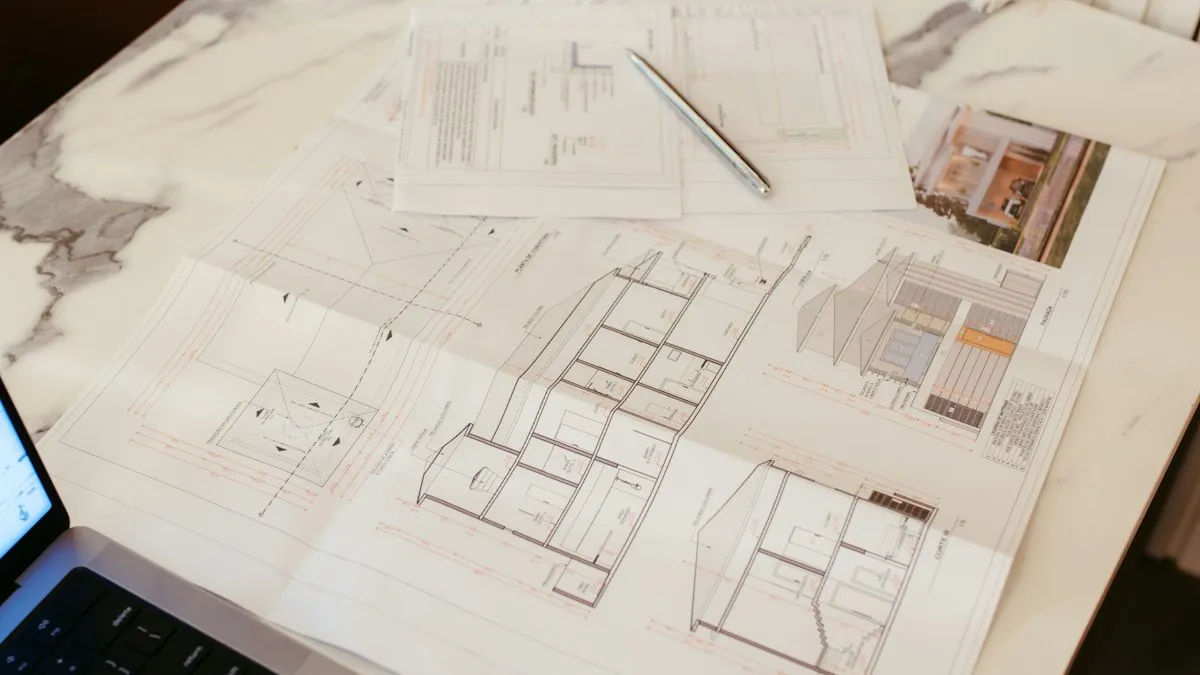
Capability Statement Template for Architecture and Interior Design Firms (UAE and GCC)
Architecture Marketing
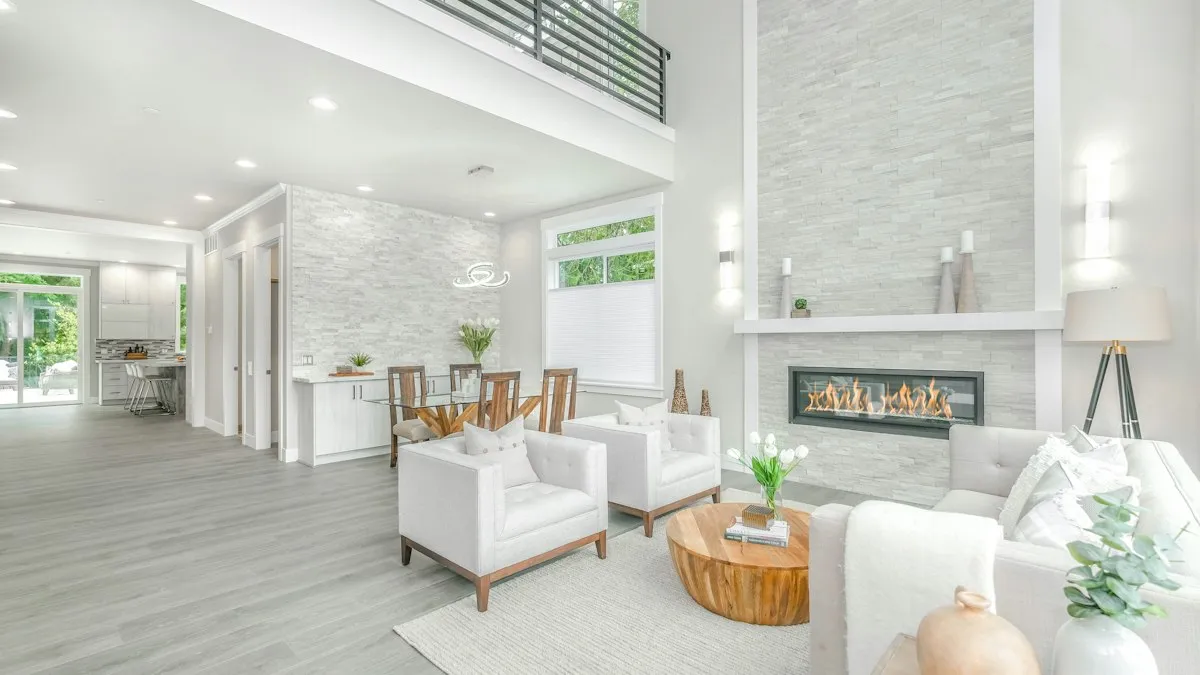
How to Get Villa Renovation Leads in Dubai: A Lead Generation Plan for Fit-Out and Interior Firms
Architecture Marketing
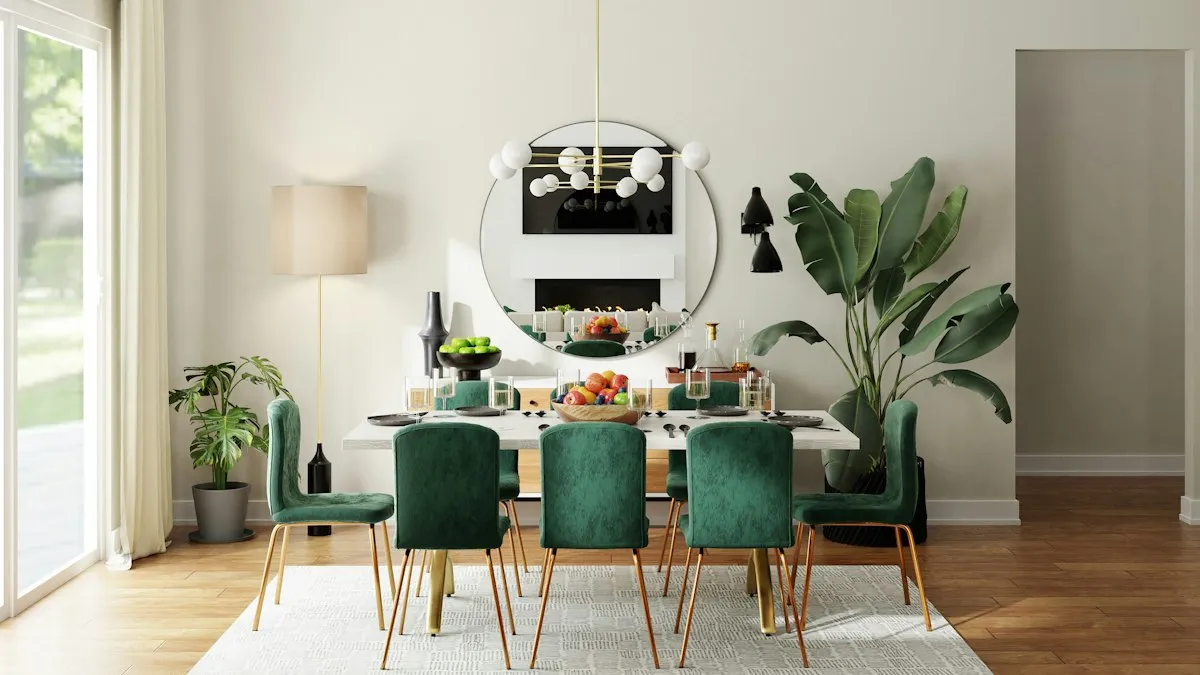
Company Profile Template for Interior Design and Fit-Out Companies (With Copy You Can Use)