Interior Design Project Timeline Template for Clients: Stages, Durations and the Message That Prevents Delays and Disputes (UAE)
Short answer
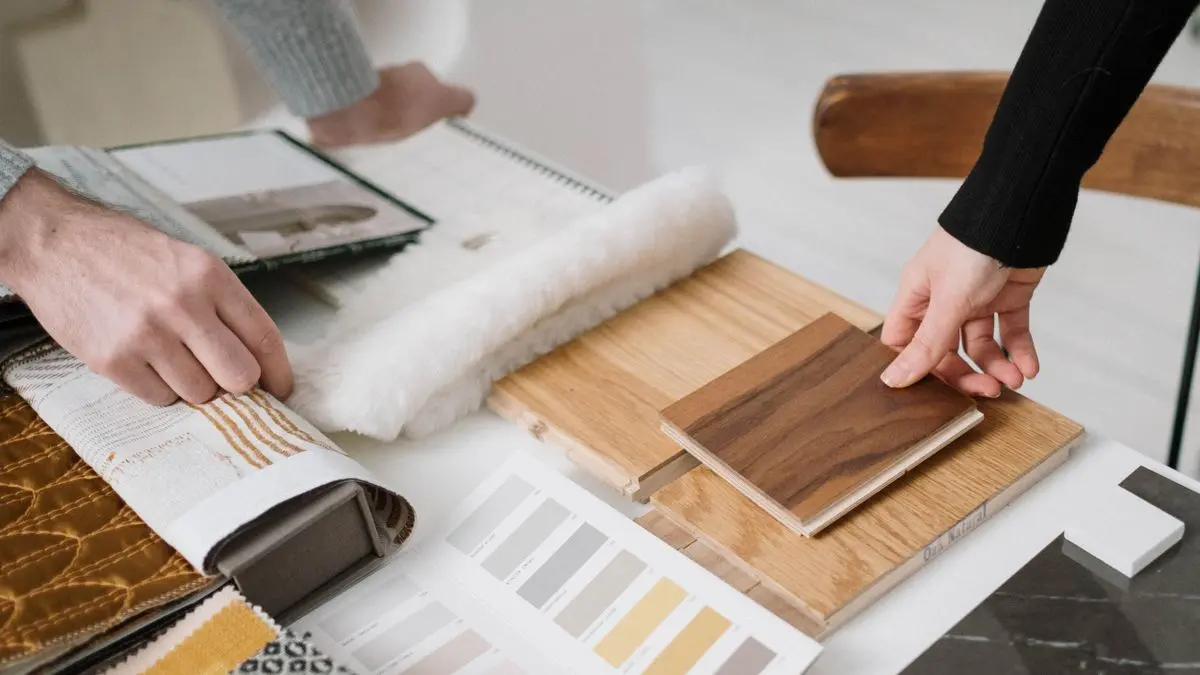
An interior design project timeline is a simple plan you share with the client that shows each stage from brief to handover, how long each stage usually takes, what the client must decide or approve, and what can cause delays such as building or community approvals and long-lead furniture. Sharing it at the proposal stage makes you look more organised than competitors, sets realistic expectations and protects you when a client changes their mind late. In the UAE, the timeline should flag landlord, developer or authority approvals and import lead times for furniture and materials. Below you get a copy-paste template with stages, client actions and wording. Husbar markets interior design and fit-out firms.
Key takeaways
- ✓A clear timeline wins trust before the contract is signed.
- ✓Show what the client must approve at each stage.
- ✓Approvals and long-lead items cause most delays: name them early.
- ✓A change process protects your schedule and your margin.
Typical interior design project stages (residential, indicative)
| Stage | What happens | Client action | Common delay |
|---|---|---|---|
| 1. Brief and site visit | Requirements, measurements, budget | Share brief, budget and access | Unclear budget |
| 2. Concept design | Mood boards, layout options | Approve one direction | Too many options requested |
| 3. Design development | Detailed layouts, materials, lighting | Approve materials and samples | Late decisions |
| 4. Approvals | Building, community or authority submissions where required | Sign forms, provide documents | Missing landlord or developer documents |
| 5. Procurement | Order furniture, finishes, fixtures | Pay deposits on time | Long-lead and imported items |
| 6. Site works | Joinery, finishes, installation | Allow access, respond to queries | Changes during works |
| 7. Styling and handover | Install, style, snag list, handover | Final walk-through | Snags and missing items |
Why timelines win projects, not just manage them
Clients fear delays more than they fear price
Many homeowners and business owners have heard stories of projects that ran for months over schedule. Showing a clear plan at proposal stage answers that fear before it becomes an objection.
It shows the client their role
Most delays come from waiting for decisions, payments or documents. When the timeline lists client actions with dates, the client sees that keeping on schedule is a shared job.
UAE approvals need to be planned
Depending on the property and scope, works may need approval from the building management, master developer, free zone or municipality. Requirements differ by location, so check them early and show them as a stage rather than a surprise.
It makes change requests fair
When the client asks for a new material after approval, the timeline lets you show the impact on dates and cost calmly. A written change process keeps the relationship positive.
How to build and present your project timeline in 8 steps
- List the stages that apply to this project type (residential, office, retail, hospitality).
- Estimate a range for each stage based on your past projects, not a single best-case number.
- Mark every client decision, approval and payment as a milestone with a target date.
- Identify approvals needed for this property and the documents each requires.
- Flag long-lead and imported items and order them as early as the design allows.
- Add a buffer before handover for snagging.
- Present the timeline with the proposal and walk the client through it in the meeting.
- Update and resend it at each milestone, with any changes clearly marked.
Want this applied to your brand?
We will find the psychology behind your lost sales and show you what to fix first.
Book a Growth AuditThe treasure: a copy-paste client timeline and expectation message
- Header: Project [name], [address], prepared [date], version [1]. "All durations are estimates based on similar projects and depend on timely approvals, decisions and payments."
- Stage 1, Brief and site visit, week [1]: we measure, photograph and confirm your brief and budget. You: share brief, budget range and access details.
- Stage 2, Concept, weeks [2 to 3]: we present [one or two] concept directions. You: choose one direction within [5] working days.
- Stage 3, Design development, weeks [4 to 6]: layouts, materials, lighting and joinery details. You: approve samples and finishes by [date].
- Stage 4, Approvals, weeks [x to y] (where needed): we prepare drawings and submissions. You: provide title deed or tenancy, NOC and any landlord or developer forms.
- Stage 5, Procurement, weeks [x to y]: we order items; imported pieces may take [range] weeks. You: pay deposits within [3] working days of invoice.
- Stage 6, Site works, weeks [x to y]: contractors on site [days and hours]. You: ensure access; changes after approval follow our change process.
- Stage 7, Styling and handover, week [z]: installation, snag list, final walk-through and handover pack.
- Change process wording: "Any change after approval is welcome. We will confirm the impact on cost and dates in writing within [2] working days, and proceed once you approve."
- Kick-off message: "Thank you for choosing us. Attached is your project timeline. The two things that keep projects on schedule are quick decisions and early approvals, so we will remind you before each milestone."
A worked example
Picture a boutique interior design studio in Dubai that keeps losing villa projects to larger firms that look more organised. The studio starts attaching a one-page timeline like the template above to every proposal and walking clients through it in the meeting, highlighting community approval and the lead time for imported furniture. Prospects comment that it is the first time anyone has explained the process. During projects, the studio sends a short update at each milestone. Fewer arguments arise over late changes because the change process was agreed at the start, and happy clients leave reviews that mention clear communication.
Want Husbar to do this for you?
Husbar can turn your process into sales materials that win projects: proposal templates, client timelines, case studies and the website and ads that bring better enquiries. Book a free Growth Audit or a free Google Meet consultation at /contact, or run our free 60-second website check at /free-audit to see how your site presents your process.
Use the timeline in your marketing
A simplified version of your process makes excellent website and social content: "How a villa project works with us, step by step." It answers the question every prospect has, attracts clients who value organisation and pre-qualifies leads who expect unrealistic speed.
Different timelines for commercial projects
Office, retail and hospitality projects often have fixed opening dates, landlord fit-out guides and more complex approvals. Build the timeline backwards from the opening date, show the latest dates for each approval and order, and agree penalties or priorities in writing where needed.
Automate milestone updates
A simple automation can send the client a message when each stage starts and ends, remind them of upcoming decisions and share photos from site. It keeps clients calm, reduces "what is happening?" calls and gives you a record of every approval.
How Husbar helps
Husbar markets interior design, architecture and fit-out firms: portfolio websites, project case studies, proposal and sales materials, SEO and ads for high-value projects, and client communication automation. Our architecture and design marketing team can take this on end to end, or support your team. book a free Growth Audit.
Questions to ask before you start
- Which approvals does this property usually need?
- Which items have the longest lead times?
- What are the client decisions and their deadlines?
- How do we handle changes after approval?
- Do we show the timeline before the contract is signed?
Key terms
- Concept design: the first design direction with mood boards and layouts.
- Design development: detailed design with materials and specifications.
- Long-lead item: a product with a long ordering or shipping time.
- NOC: a no objection certificate, often required by landlords or developers.
- Snag list: a list of defects to fix before handover.
Mistakes to avoid
- Promising a best-case timeline to win the job.
- Not listing client actions.
- Leaving approvals until after design is finished.
- Ordering imported items too late.
- Accepting changes without a written impact note.
Why design businesses need marketing that shows the work
Clients buy design and outdoor projects with their eyes first and their budget second. A portfolio that is easy to find, project stories with clear before and after, and a fast reply to every enquiry win more projects than discounts ever will.
Related reading: interior design service packages and pricing, interior designer client questionnaire, how to charge an interior design consultation fee and what to say when a client says your quote is too expensive.
How long does an interior design project take in Dubai?+
It depends on scope, approvals and lead times. Simple apartment styling can take weeks; a full villa or office project with approvals and joinery can take several months. Give clients a range based on your past projects.
Do interior design works in Dubai need approval?+
Many do, depending on the building, community and scope. Building management, master developers, free zones or the municipality may need submissions. Check requirements for each property early.
Should I share a timeline before the client signs?+
Yes. A clear timeline in the proposal builds trust and differentiates you from competitors who only send a price.
How do I handle client changes that delay the project?+
Agree a change process in the contract: every change gets a written note of cost and time impact, and work continues once the client approves.
What causes the most delays in interior projects?+
Late client decisions, missing documents for approvals, long-lead imported items and changes during site works.
Does Husbar market architecture, landscaping and interior design firms?+
Yes. Husbar has a dedicated architecture and design marketing service covering portfolio websites, SEO, social media, paid ads and lead follow-up.
Can Husbar help us win bigger projects?+
Yes. We help design firms position for higher-value clients with case studies, thought leadership and targeted campaigns.
Sources
- [Dubai Municipality: guidelines for consumer products import and re-export](https://dmpmedia.dm.gov.ae/uploads/2025/05/DM-HSD-GU100-CPIE2_Guidelines-for-Consumer-Products-Import-and-Re-export-V.2.pdf)
- [Design Middle East: Design Awards](https://design-middleeast.com/awards2026/)
- [Autodesk: marketing for architects](https://www.autodesk.com/design-make/articles/marketing-for-architects-7-low-or-no-cost-ways-to-elevate-your-small-firm)
- [Google Business Profile Help: reviews](https://support.google.com/business/answer/3474122)
Team Husbar
Husbar Editorial
Team Husbar is the strategy, psychology and research team at Husbar, a psychology-led growth agency headquartered in Dubai. Together we have worked with 100+ brands over 10+ years.
Want this applied to your brand?
We will find the psychology behind your lost sales and show you what to fix first.
Book a Growth AuditKeep reading
Architecture Marketing
Fit-Out Tenders in the UAE and Saudi Arabia: Where to Find Them, How to Register and How to Get Shortlisted

Architecture Marketing
Architecture Marketing Agency in Dubai: What They Do and How to Choose One
Architecture Marketing
Google Ads for Interior Designers in Dubai: How to Get Qualified Project Enquiries, Not Time-Wasters