Strait of Hormuz Shipping Disruption: What UAE and Gulf Importers Need to Know (2026)
Short answer
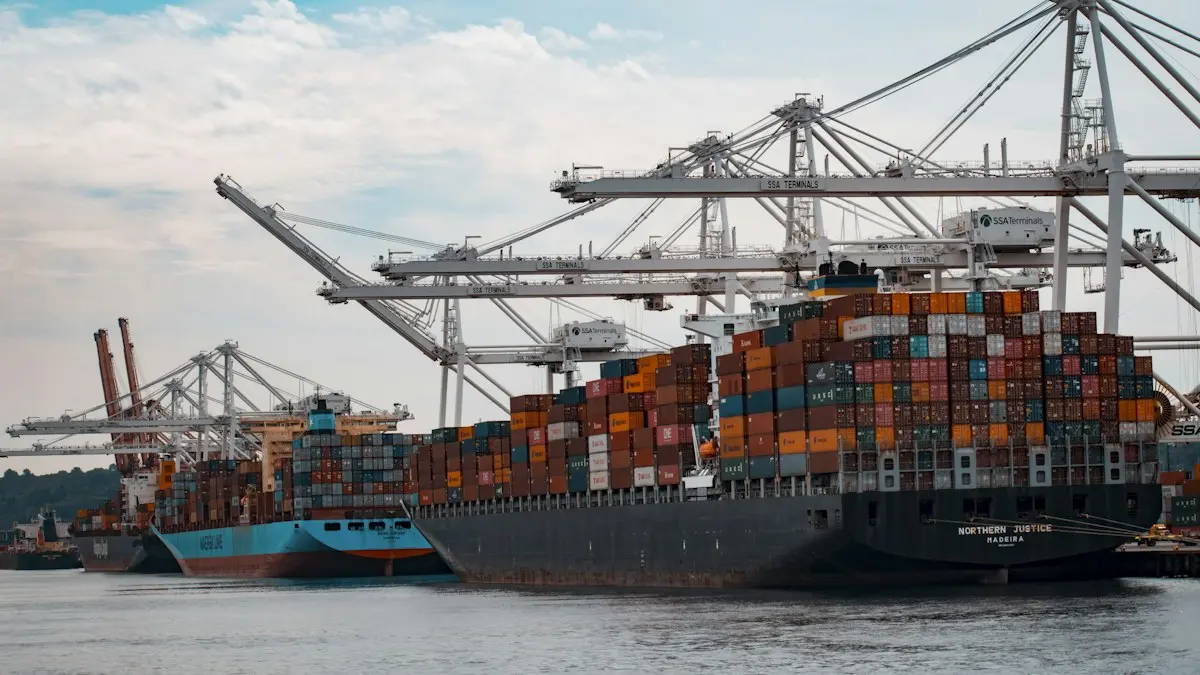
Since late February 2026, container shipping through the Strait of Hormuz has been severely disrupted. Freight analysts at Xeneta, reported by The Loadstar in September 2026, described the strait as effectively closed to container shipping for more than six months, and China to Gulf spot rates reached record levels. For importers in the UAE and the wider Gulf, this means higher freight costs, longer and less reliable transit times, and more cargo moving through ports outside the strait, such as Khor Fakkan, Fujairah, Sohar and Jeddah, then by road. The practical response is to get all-in quotes, add time buffers, order earlier and protect margins.
Key takeaways
- ✓Container shipping through Hormuz has been disrupted since late February 2026.
- ✓China to Gulf rates hit record levels in 2026, according to Xeneta data.
- ✓Cargo is moving via ports outside the strait plus road haulage.
- ✓Plan for longer lead times and get all-in freight quotes.
What has changed for importers
| Area | Before the disruption | Now (late 2026) |
|---|---|---|
| Main route | Direct to Gulf ports inside the strait | Ports outside the strait, then road |
| Freight cost | Lower, more stable | Record highs reported on Gulf lanes |
| Transit time | More predictable | Longer, with extra buffer needed |
| Surcharges | Fewer layers | War risk, conflict and fuel surcharges common |
| Space | Easier to book | Book weeks ahead |
| Insurance | Standard cover | Check war-risk cover separately |
What it means for your business
Cost: landed cost has moved
Freight used to be a small line in most landed-cost models. With Gulf lanes at record levels in 2026, it can become a much bigger share of the cost of each unit, especially for bulky, low-value goods. Recalculate landed cost per unit for every product, not just the order total, because a product that was profitable at old freight rates may now sell at a loss.
Time: plan for longer, less certain transit
Routing cargo through ports outside the strait and finishing the journey by truck adds steps, and each step can add delay. Analysts and forwarders have advised adding one to two weeks of buffer, or more for inland destinations. Seasonal stock such as Ramadan and Eid products needs to be ordered earlier than usual.
Cash: more money tied up for longer
Higher freight and longer journeys mean more cash sits in goods on the water. Review supplier payment terms, consider smaller and more frequent shipments for fast sellers, and avoid tying up cash in slow-moving stock.
Customers: delays need clear communication
Customers forgive delays more easily when they are told early and honestly. Update delivery estimates on product pages, set up proactive WhatsApp or email updates, and train your team to explain the situation in simple terms.
How to respond, step by step
- List every product with its current landed cost per unit.
- Ask your forwarder for all-in quotes with each surcharge itemised.
- Compare arrival ports outside the strait and the road leg to your warehouse.
- Add a time buffer to every supplier and shipping date.
- Bring forward orders for seasonal stock.
- Review prices and bundles on products whose margin has shrunk.
- Tell customers about realistic delivery times.
Want your product made, inspected and delivered without the risk?
Husbar China Line verifies factories, negotiates for you, arranges on-site inspection before you pay the balance, and manages freight to the UAE, Saudi Arabia and beyond.
Request a China Line consultationImporter checklist for 2026
- Landed cost recalculated per product.
- All-in freight quote with surcharges listed.
- Arrival port and road leg agreed with the forwarder.
- War-risk cover confirmed with your cargo insurer.
- Buffer of at least one to two weeks added to plans.
- Seasonal orders moved earlier.
- Customer delivery messages updated.
- Fast sellers prioritised over slow stock.
A worked example
Imagine a UAE homeware brand importing two containers a quarter from China. Its old landed-cost sheet assumed a stable freight rate. After recalculating with an all-in quote that includes surcharges and a road leg from a port outside the strait, two bulky products no longer make money at their current prices. The brand raises the price of one, bundles the other with a best seller, brings its Ramadan order forward, and tells customers that delivery now takes a little longer. Margins recover and complaints stay low because nobody is surprised.
How Husbar helps
Husbar China Line plans sourcing and shipping around real conditions: landed-cost models that include current surcharges, routing advice with forwarders, buffers in production plans and launch marketing that protects margins. Our China Line sourcing service (see the factory-to-door journey in 3D) can take this on end to end, or support your team. book a free Growth Audit.
Questions to ask before you start
- Which of our products are most affected by freight costs?
- Which arrival port and road route suits our warehouse?
- What surcharges are in our current quotes?
- Is our cargo insured for war risk?
- How early must seasonal orders go in?
Key terms
- All-in quote: a freight price that includes every surcharge.
- Landbridge: moving cargo by road from a port to its final destination.
- War-risk surcharge: an extra charge for shipping through conflict-affected areas.
- Landed cost: the full cost of a product delivered to your warehouse.
Mistakes to avoid
- Using old freight rates in pricing.
- Comparing quotes that exclude surcharges.
- Ordering seasonal stock on the usual timeline.
- Assuming the line’s surcharge insures your cargo.
- Not telling customers about longer delivery times.
Why quality control is built into every order
Most problems with overseas manufacturing come from unclear specifications, skipped samples or no inspection before shipping. A sourcing partner on the ground in China checks factories, approves samples, inspects production and coordinates shipping, so issues are fixed before goods leave the factory rather than after they arrive.
Read the Gulf landbridge shipping guide, war-risk surcharges explained, safety stock for importers, how shipping cost from China to Dubai is calculated and the landed cost calculator guide.
Is the Strait of Hormuz closed to container ships?+
Freight analysts reported in September 2026 that it had been effectively closed to container shipping for more than six months. Check the latest updates with your forwarder before booking.
How are goods reaching the UAE?+
Much cargo is moving through ports outside the strait, such as Khor Fakkan, Fujairah, Sohar and Jeddah, and then by road.
Have freight rates from China to the Gulf gone up?+
Yes. Xeneta data reported by The Loadstar showed China to Gulf spot rates at record levels in 2026.
How much extra time should importers allow?+
Many forwarders advise one to two weeks of buffer, more for inland or upper-Gulf destinations.
Can Husbar help us plan imports now?+
Yes. China Line includes landed-cost modelling, routing advice and production planning.
How does Husbar China Line work?+
We source and verify factories, manage samples and specifications, inspect production and coordinate shipping to the UAE and Saudi Arabia.
What is the minimum order Husbar can help with?+
It depends on the product and factory; we can advise on low-MOQ options for smaller brands.
Sources
- [Sourcing Center: China-Gulf box rates at records, citing The Loadstar and Xeneta (Sep 21, 2026)](https://sourcing.center/news/2026-09-21-china-gulf-box-rates-record-hormuz-landbridge)
- [Keerki: China-to-Gulf shipping costs in October 2026 (Oct 5, 2026)](https://keerki.com/en/blog/china-gulf-shipping-costs-october-2026)
- [Xeneta: ocean freight market updates](https://www.xeneta.com/blog)
Team Husbar
Husbar Editorial
Team Husbar is the strategy, psychology and research team at Husbar, a psychology-led growth agency headquartered in Dubai. Together we have worked with 100+ brands over 10+ years.
Want your product made, inspected and delivered without the risk?
Husbar China Line verifies factories, negotiates for you, arranges on-site inspection before you pay the balance, and manages freight to the UAE, Saudi Arabia and beyond.
Request a China Line consultation