The Mere Exposure Effect in Marketing: Why Customers Choose the Brand They Have Seen Before (Research, Examples and a Frequency Plan)

Short answer
The mere exposure effect is the finding that people tend to like things more simply because they have seen them before. Psychologist Robert Zajonc showed in 1968 that repeated exposure to words, faces and symbols increased how positively people rated them, and a later meta-analysis by Robert Bornstein confirmed the effect across many studies, while noting it weakens with too many repetitions. For marketers it means consistent, repeated and recognisable brand assets make a brand feel familiar, safe and preferred at the moment of choice. Husbar applies consumer psychology to advertising for UAE and GCC brands.
Key takeaways
- ✓Familiarity breeds liking, up to a point.
- ✓Consistency of logo, colour, sound and style makes exposure count.
- ✓Even ads people barely notice can build familiarity.
- ✓Too much repetition of the same creative causes fatigue.
Where the mere exposure effect shows up
| Touchpoint | How familiarity helps | Example for UAE brands |
|---|---|---|
| Social ads | Repeated, recognisable creative builds preference | Same colour and opening frame across all Reels and Stories |
| Retail shelf | Shoppers pick packs they recognise | Consistent pack design across sizes and flavours |
| Out of home | Repeated route exposure | Billboards along daily commuting roads |
| Search results | Seen brands get more clicks | Running brand awareness before search campaigns |
| Luxury | Recognisable signatures signal status | A signature colour or pattern used everywhere |
| B2B | Familiar names get shortlisted | Regular founder posts and event presence |
What the research says
Zajonc 1968
In his classic studies, Zajonc showed participants nonsense words, Chinese-style characters and faces different numbers of times. Items seen more often were rated more positively, even though nothing else about them changed. He called this the mere exposure effect.
Bornstein 1989
A meta-analysis of two decades of research found a reliable effect, stronger for brief exposures and for stimuli people did not consciously recognise, and weaker or reversed with very high numbers of repetitions. Familiarity helps, but boredom eventually sets in.
Janiszewski 1993
Research in the Journal of Consumer Research found that incidental exposure to brand names and product images in ads that people were not paying attention to could still increase liking. That is why ads people scroll past are not always wasted.
Brand assets and mental availability
Marketing science groups such as the Ehrenberg-Bass Institute argue that brands grow by being easy to notice and remember in buying situations, using distinctive assets consistently. The mere exposure effect is one psychological reason this works.
How to use the mere exposure effect, step by step
- Choose two or three distinctive brand assets: a colour, a shape, a sound, a character or a phrase.
- Use them on every ad, pack, post, page and store fixture, without exceptions.
- Plan reach and frequency so your audience sees you regularly, not once in a burst.
- Rotate creative ideas while keeping assets fixed, to avoid fatigue.
- Appear where buyers already are: their feeds, their routes, their shelves.
- Run awareness before conversion campaigns so search and retargeting ads meet familiar faces.
- Measure brand searches, direct traffic and ad recall, not only clicks.
- Watch frequency and creative fatigue signals and refresh before performance falls.
Want this applied to your brand?
We will find the psychology behind your lost sales and show you what to fix first.
Book a Growth AuditThe treasure: a copy-paste 8-week familiarity plan for a UAE brand
- Week 0, asset audit: list every place your logo, colour and name appear. Remove variations. Write a one-page asset guide.
- Week 1 to 2, reach: run short video and Story ads to your core audience with the same opening frame and colour. Goal: many people see you a few times.
- Week 1 to 8, consistency: post on social at a steady rhythm with the same visual signature and sign-off line.
- Week 3 to 4, context: add placements near buying moments, such as retail media on delivery apps or search ads on category terms.
- Week 3 to 8, rotation: change the idea every two to three weeks, never the assets.
- Week 5 to 6, retargeting: show familiar faces to people who engaged, now with an offer.
- Week 7 to 8, measurement: compare brand search volume, direct visits and conversion rate with the period before.
- Frequency guardrail: when click-through rates drop and frequency climbs, refresh creative instead of adding budget.
- Retail add-on: match shelf and pack design to your ads so shoppers recognise you in store.
- Arabic and English: keep the same visual assets across both languages so exposure in one builds familiarity for the other.
A worked example
Picture a new UAE coffee brand launching in supermarkets and online. Instead of changing its look for every campaign, it fixed a signature deep green, a cup illustration and a short sign-off line, and used them on packs, Reels, delivery-app banners and in-store wobblers. It ran broad, low-cost video reach for the first weeks, then retargeted engaged viewers with an offer. Shoppers started telling store staff they had "seen it everywhere", and search ads for the brand name began to appear in the account. This is an illustrative scenario.
Want Husbar to do this for you?
Husbar can define your distinctive brand assets, plan reach and frequency, and run creative that builds familiarity and sales together. Book a free Google Meet consultation through our contact page to talk about your brand.
Where it backfires
Familiarity amplifies the first impression. If your ads are irritating, repeating them can make people dislike you more, and research suggests liking can fall after many repetitions. Pair repetition with variety in the idea and respect for the audience: shorter ads, better targeting and frequency limits.
Familiarity and trust in the Gulf
In markets with many new brands arriving every year, shoppers often fall back on names they recognise, especially for food, health, beauty and high-value purchases. Being present consistently, in Arabic and English, signals that a brand is established and here to stay, which lowers the perceived risk of trying it.
Combining it with other principles
Familiarity works well alongside social proof (other people choose this), authority (experts recommend it) and the Von Restorff effect (it stands out). A brand that is distinctive enough to notice and consistent enough to remember gets the benefit of both.
How Husbar helps
Husbar builds psychology-led advertising for UAE and GCC brands: distinctive brand asset systems, reach and frequency planning, creative rotation, retail media and measurement that connects awareness to sales. Our psychology-led advertising team can take this on end to end, or support your team. book a free Growth Audit.
Questions to ask before you start
- What are our distinctive brand assets?
- Do we use them consistently everywhere?
- Do we only run conversion ads?
- How often does our audience see us?
- Do we refresh creative before fatigue?
Key terms
- Mere exposure effect: increased liking caused by repeated exposure.
- Distinctive brand assets: colours, shapes and other cues that identify a brand.
- Frequency: how many times a person sees an ad in a period.
- Creative fatigue: declining performance as people tire of an ad.
- Mental availability: how easily a brand comes to mind in buying situations.
Mistakes to avoid
- Changing your look with every campaign.
- Only running bottom-funnel ads.
- Showing one ad so often people get annoyed.
- Measuring awareness campaigns only by clicks.
- Different visuals for Arabic and English campaigns.
Why ads fail without psychology
Most ad accounts do not fail because of the platform. They fail because the message does not match what the buyer is feeling at that moment: the fear, the hope or the comparison going on in their head. When the hook, the offer and the landing page all speak to the same motive, the same budget buys more qualified leads and more sales.
Related reading: the Von Restorff effect in marketing, the halo effect in marketing and social proof examples.
What is the mere exposure effect?+
The tendency to like things more after seeing them repeatedly.
Who discovered the mere exposure effect?+
Robert Zajonc described it in a 1968 paper, building on earlier observations.
Does repetition always work?+
No. Research shows the effect weakens and can reverse with too many repetitions, so rotate creative.
How does it apply to small brands?+
Small brands benefit most from consistent assets and steady presence among a focused audience.
Is the mere exposure effect the same as brand awareness?+
It is one reason awareness matters: familiar brands feel safer and more likeable when people choose.
Does Husbar manage Google, Meta and TikTok ads in the UAE?+
Yes. Husbar plans, builds and manages paid campaigns across Google, Meta, TikTok, Snapchat and LinkedIn for UAE and Saudi businesses, with Arabic and English creative.
How do I start working with Husbar?+
Book a free growth audit. We review your current ads, tracking and funnel, show you where the money is leaking and suggest a plan.
Sources
- [Zajonc (1968), Attitudinal effects of mere exposure, Journal of Personality and Social Psychology](https://doi.org/10.1037/h0025848)
- [Bornstein (1989), Exposure and affect: overview and meta-analysis of research 1968-1987, Psychological Bulletin](https://doi.org/10.1037/0033-2909.106.2.265)
- [Janiszewski (1993), Preattentive mere exposure effects, Journal of Consumer Research](https://doi.org/10.1086/209354)
- [Ehrenberg-Bass Institute for Marketing Science](https://marketingscience.info/)
Team Husbar
Husbar Editorial
Team Husbar is the strategy, psychology and research team at Husbar, a psychology-led growth agency headquartered in Dubai. Together we have worked with 100+ brands over 10+ years.
Want this applied to your brand?
We will find the psychology behind your lost sales and show you what to fix first.
Book a Growth AuditKeep reading
Performance Marketing
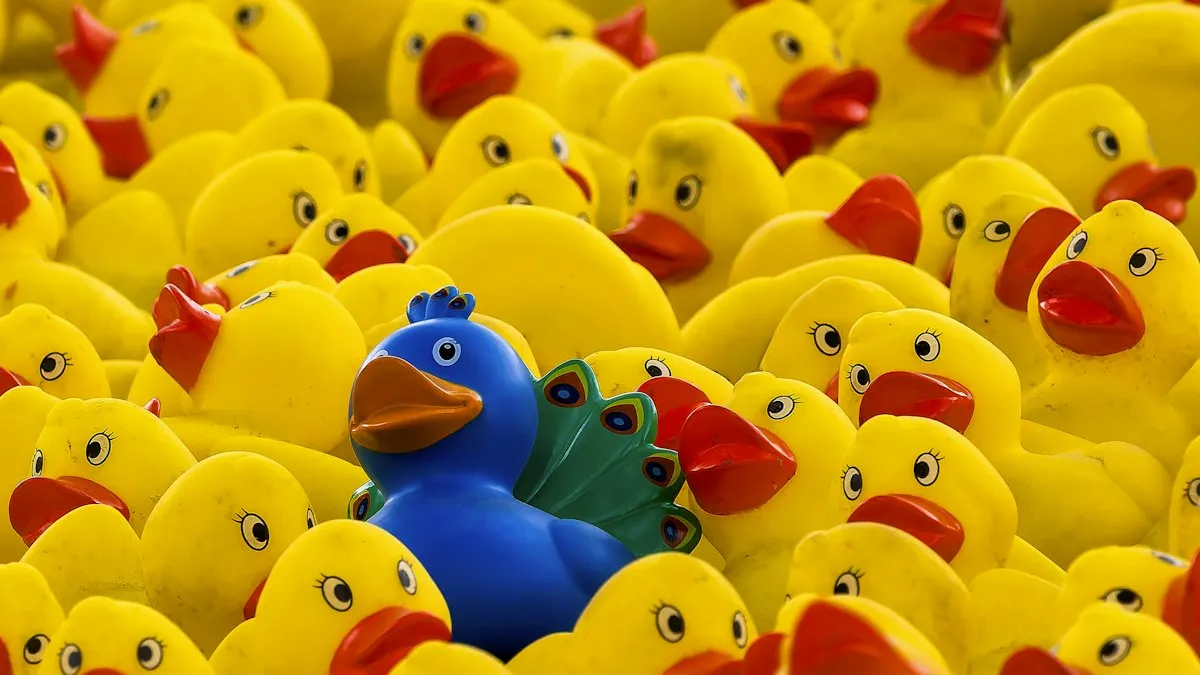
The Von Restorff Effect in Marketing: How Standing Out Makes Customers Remember and Choose You (Research and Examples)

Performance Marketing
Priming in Marketing: Real Research and Examples for Ads, Websites and Stores

Performance Marketing
The Pratfall Effect in Marketing: Why Admitting a Small Flaw Makes Customers Trust You More (With Examples)